



Menopause: Symptoms, Treatment and Tips for a Healthy Life
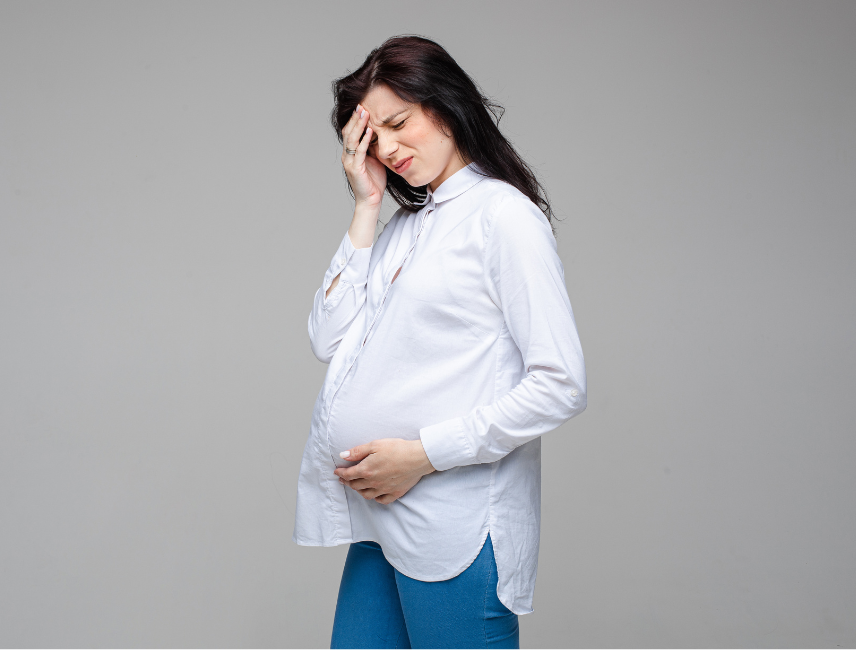
Menopause is a natural stage in every woman's life that marks the end of her menstrual cycles and reproductive years. While it is a normal biological process, the physical and emotional changes associated with menopause can be challenging for many women. Hot flashes, sleep disturbances, mood swings and hormonal changes can affect daily life, but with the right care and lifestyle changes, these symptoms can be managed effectively.
Understanding menopause and seeking timely medical guidance can help women stay healthy, active and confident during this transition. This guide explains the symptoms, treatment options and practical tips for maintaining a healthy life during and after menopause.
What is Menopause?
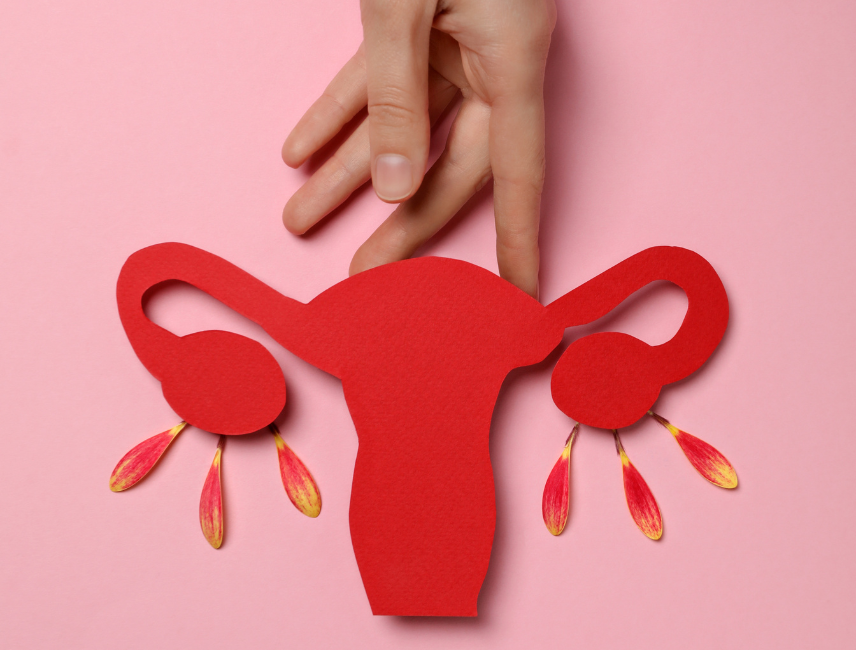
Menopause is diagnosed when a woman has not had a menstrual period for 12 consecutive months. It usually occurs between the ages of 45 and 55 years, with the average age being around 51 years. Menopause happens because the ovaries gradually produce less estrogen and progesterone, the hormones responsible for regulating the menstrual cycle.
Menopause is not a disease but a natural phase of aging. However, the hormonal changes can cause symptoms that vary from woman to woman. Some women experience only mild discomfort, while others may have symptoms that significantly affect their quality of life.
Stages of Menopause
Perimenopause
Perimenopause is the transition period before menopause. It can begin several years before the final menstrual period. During this stage, hormone levels fluctuate, leading to irregular periods and the early symptoms of menopause.
Menopause
A woman is considered to have reached menopause after going 12 consecutive months without a menstrual period.
Postmenopause
Postmenopause is the period after menopause. While some symptoms may gradually improve, lower estrogen levels increase the risk of osteoporosis, heart disease and certain health conditions. Regular medical check-ups remain important during this stage.
Common Symptoms of Menopause
Menopause affects every woman differently. Some common symptoms include:
- Hot flashes and night sweats
- Irregular or missed periods
- Mood swings and irritability
- Difficulty sleeping
- Vaginal dryness
- Reduced libido
- Weight gain
- Fatigue
- Difficulty concentrating
- Joint and muscle pain
- Frequent urinary infections
These symptoms may last for several months or even a few years. If they interfere with daily life, consulting a gynecologist is recommended.
What Causes Menopause?
Menopause occurs naturally due to a decline in ovarian function with age. However, some women may experience early menopause because of:
- Genetic factors
- Surgical removal of the ovaries
- Chemotherapy or radiation therapy
- Certain autoimmune disorders
- Medical conditions affecting ovarian function
Women experiencing menopause before the age of 40 should seek medical evaluation.
How is Menopause Diagnosed?
In many cases, menopause can be diagnosed based on symptoms, age and menstrual history. Your doctor may also recommend:
- A detailed medical history
- Physical and pelvic examination
- Blood tests to assess hormone levels, if required
- Bone density screening for osteoporosis risk
- Thyroid function tests when symptoms overlap
A proper evaluation helps rule out other medical conditions with similar symptoms.
Treatment Options for Menopause
Treatment depends on the severity of symptoms, overall health and individual preferences.
Hormone Replacement Therapy (HRT)
Hormone Replacement Therapy helps replace declining estrogen levels and is one of the most effective treatments for moderate to severe menopausal symptoms. It should only be started after consultation with a qualified gynecologist.
Non-Hormonal Medications
Women who cannot take hormones may benefit from non-hormonal medications that help reduce hot flashes, mood changes and sleep disturbances.
Vaginal Estrogen Therapy
Low-dose vaginal estrogen may help relieve vaginal dryness, discomfort during intercourse and urinary symptoms.
Lifestyle Modifications
Simple lifestyle changes often make a significant difference in managing symptoms naturally.
Healthy Lifestyle Tips During Menopause
Eat a Balanced Diet
Choose foods rich in calcium, vitamin D, protein, fruits, vegetables and whole grains. These nutrients help maintain bone health and overall well-being.
Exercise Regularly
Regular physical activity helps control weight, strengthen bones, improve mood and reduce the risk of heart disease.
Maintain a Healthy Weight
Weight gain is common during menopause. A balanced diet and regular exercise can help maintain a healthy body weight.
Get Enough Sleep
Maintain a regular sleep schedule and avoid caffeine or heavy meals before bedtime to improve sleep quality.
Manage Stress
Yoga, meditation, deep breathing exercises and spending time with family or friends can help reduce stress and improve emotional health.
Avoid Smoking and Limit Alcohol
Smoking may worsen menopausal symptoms and increase the risk of osteoporosis and heart disease. Limiting alcohol intake also supports better overall health.
Long-Term Health Risks After Menopause
The reduction in estrogen levels increases the risk of several health conditions, including:
Osteoporosis
Bones become thinner and weaker, increasing the risk of fractures.
Heart Disease
After menopause, women have a higher risk of cardiovascular disease due to hormonal changes.
Urinary Problems
Lower estrogen levels can contribute to urinary tract infections and bladder control issues.
Weight Gain and Metabolic Changes
Changes in metabolism may increase abdominal fat and insulin resistance.
Regular medical check-ups and preventive care play an important role in maintaining long-term health.
When Should You Consult a Gynecologist?
You should seek medical advice if you experience:
- Very heavy or prolonged bleeding
- Bleeding after menopause
- Severe hot flashes affecting daily life
- Persistent mood changes or depression
- Pain during intercourse
- Frequent urinary infections
- Symptoms before the age of 40
- Any unusual pelvic pain or abnormal discharge
Early evaluation helps identify underlying conditions and provides timely treatment.
Expert Menopause Care with Dr. Shanu Gairola
Every woman's menopause journey is unique. Dr. Shanu Gairola provides personalized menopause care based on your symptoms, medical history and overall health. From lifestyle guidance and hormonal management to long-term preventive care, she focuses on helping women enjoy a healthier and more comfortable life during and after menopause.
If you are experiencing menopausal symptoms or have concerns about your hormonal health, consulting an experienced gynecologist can help you find the most suitable treatment plan.
Conclusion
Menopause is a natural phase of life, but it does not have to affect your quality of life. With proper medical care, healthy lifestyle choices and regular follow-ups, most women can manage symptoms successfully and continue to lead active, healthy lives. Understanding the changes happening in your body and seeking timely medical advice can make this transition smoother and more comfortable.